
In the modern gaming industry, mechanical shooting skills or reaction speed have long ceased to be the only guarantees of victory. I believe that the true foundation of success in competitive titles is the competent use of timings and continuous information gathering. It is these two resources that allow you to control the flow of the match and confidently dictate your terms to the opponents. The ability to be in the right place on the map at the right time often outweighs the perfect execution of complex combinations. If you analyze competitive games, it becomes obvious that the winner is the one who is better informed about the enemy’s plans and acts with split-second precision.
Data Collection as the Basis of Tactics
In tactical shooters, the value of even the smallest piece of data increases manifold and is the key to map control. Understanding what position the enemy sniper occupies or which way the bomb is heading allows you to build an impenetrable defense or organize a safe site execution. In disciplines like Counter-Strike 2, competent grenade throws and utility usage are primarily aimed at scouting areas and forcing the enemy out, and only then at dealing direct damage. Piecing together information about footstep sounds, thrown flashbangs, or weapon reloads, a team forms an accurate picture of the enemy forces’ positioning.
An additional analytical tool is monitoring the opponent’s economy and available ultimates, which requires constant attention. If you use valorant live scores during a match to track the readiness of key skills, you can predict the enemy team’s next move with high accuracy. Knowing that the opponent lacks funds for a full buy or is missing crucial agent abilities gives the green light for aggressive actions in the early round timings. This approach turns a standard round into a calculated tactical operation, where every step is based on hard facts rather than blind luck.
Under conditions of an information deficit, a squad inevitably risks falling into an ambush or wasting precious time clearing absolutely empty areas. Teams that know how to quickly gather and correctly interpret incoming data always dictate their pace of the game and force the opponent to make mistakes. They avoid unjustified risks and choose the moment to attack exclusively when they have a comprehensive summary of the weak spots in the enemy’s defense. Ultimately, the quality of processing this information becomes the main barrier against any unprepared enemy pushes.
Managing Timings in the Macro Game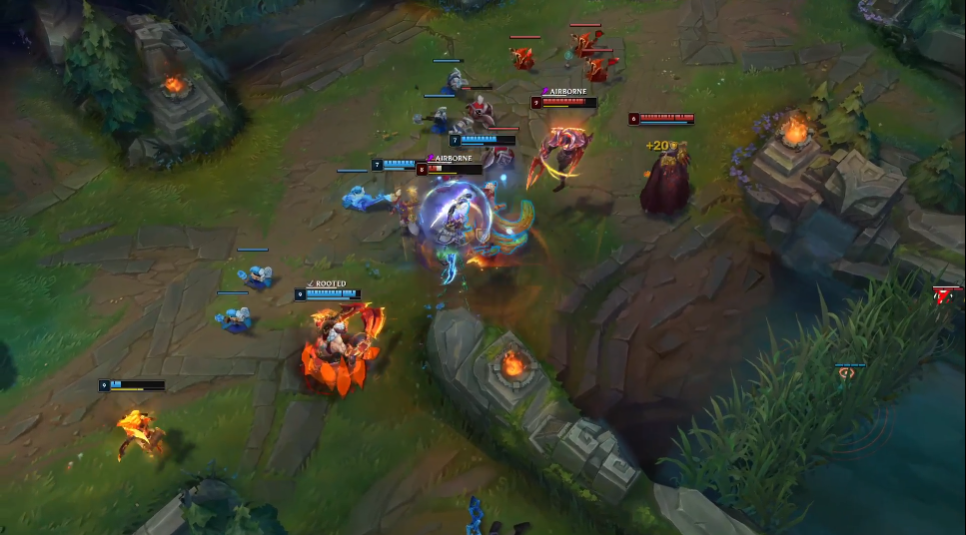
The MOBA genre most clearly demonstrates how time is converted into a tangible in-game advantage. In League of Legends or Dota 2, control over key neutral objectives on the map is strictly tied to their spawn timers. A team that takes a position around the Baron Nashor or Roshan pit in advance gains a colossal tactical superiority over the attacking side. Preparation for such global events begins at least a minute before the objective’s spawn itself – the squad needs to set up proper vision, clear the area of enemy wards, and advantageously push the lanes.
I am sure that being late for a rotation even by a few seconds inevitably leads to a lost positional struggle or the loss of an important buff. Furthermore, a detailed understanding of ultimate cooldown timings allows you to initiate team fights exactly when the enemy is most vulnerable. If you know for sure that an enemy key character’s life-saving item or mobility spell is unavailable for another minute, you can boldly dictate your terms on the map, cutting off the opponent’s paths to a safe retreat.
Essentially, the macro game turns into a kind of strict mathematics, where correct time calculation beats any mechanical skill. It is impossible to outplay an opponent who attacks exactly when your strongest abilities are on cooldown. The ability to synchronize the actions of the entire team with in-game timings is that very fundamental skill that allows you to control the match pace from the first to the last minute.
Economy of Time and Resources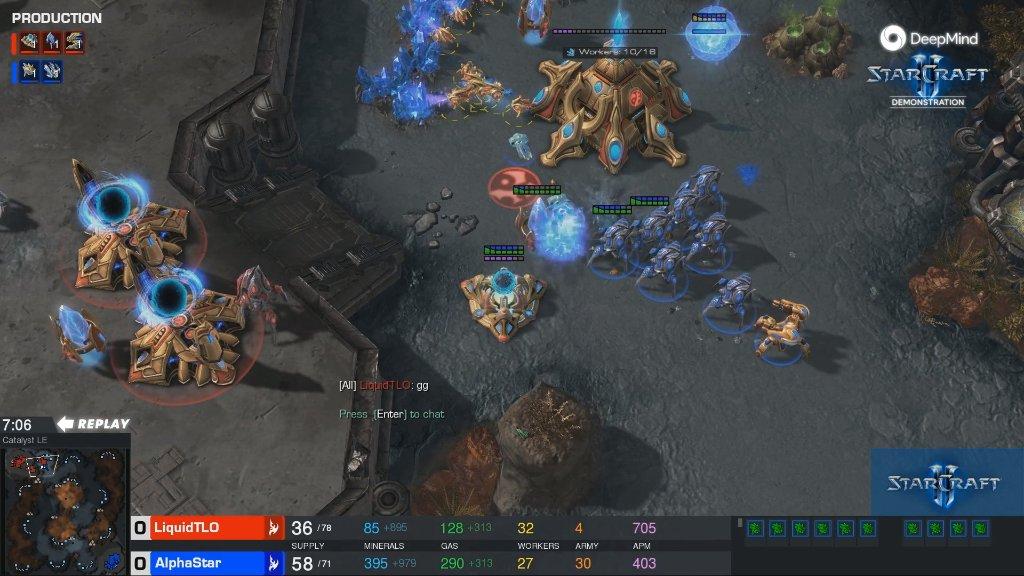
Any complex competitive game requires competent distribution of time. In StarCraft 2, every second of worker idle time leads to lost resources and a lag in development. Time acts as a currency identical to minerals or gas. I believe the winner is the one capable of maintaining a continuous macro cycle without delays, placing every building the moment funds accumulate.
Similar logic applies to other genres where optimized farming routes determine progression speed. In League of Legends or Dota 2, the cost of inefficient movement between monster camps is incredibly high. While one player roams chaotically, another follows a pre-calculated route, clearing camps as they spawn. This principle also works in Action-RPGs like Diablo 4 or Path of Exile, where a solid clearing path yields significantly more experience and gear per hour.
In the end, any wasted second gives the opponent a window to close the gap in gold or levels. Losing tempo allows the enemy to regroup and neutralize an initial advantage. The ability to squeeze maximum utility out of every minute is what distinguishes a strong player from a weak one. Even with equal mechanical skill, triumph always goes to the one who manages in-game time more effectively.
Psychological Pressure Through Map Control
Possessing information exerts immense psychological pressure on the opponent. When supports provide full visibility of the territory, the enemy team is forced to operate almost blindly. This fear of an ambush paralyzes movement, forcing opponents to hug their towers and lose control over neutral resources. In such conditions, even aggressive rosters begin to doubt every step, ceding initiative without a single shot fired.
The lack of enemy location data inevitably leads to critical mistakes. A player who cannot see the opponent on the mini-map remains under constant tension, expecting an attack from any direction. For instance, in Dota 2 or League of Legends, when invisible characters like Riki or Evelynn disappear from the radar, laners must play passively and spend extra gold on detection just to survive.
Ultimately, a skillfully created information vacuum destroys the enemy’s macro game before a confrontation even begins. In Counter-Strike 2, an attacking team can go quiet to make the defense rotate chaotically and waste utility. Map control is not just a positional advantage, but a mental weapon that shatters the enemy’s original plan and forces them to play by someone else’s rules.
Conclusion
Possessing information and a sharp sense of timing are the ultimate trump cards for any thinking gamer. While mechanics and reaction speed help win individual gunfights, it is the global understanding of timings that brings final victory in a match. A deep analysis of these aspects transforms ordinary gameplay into an intellectual chess match, where every move carries its own logical consequences.