

The boundary between traditional sports and the gaming world is blurring faster than a speedrunner on a world-record pace. For the modern enthusiast, the days of being a passive observer—merely watching a game from the sidelines—are long gone. We have entered an era of “active spectatorship,” where the skills developed in the gaming zone, such as data processing, pattern recognition, and strategic forecasting, are being applied to the stadium turf.
From Controllers to Calculations
If you spend any time in the gaming community, you know that the modern gamer is a natural statistician. Whether you are min-maxing a character’s stats in an RPG or memorizing frame data in a fighting game, you are training your brain to look for “the edge.” It is this exact mental framework that has fueled the massive surge in the popularity of online sports betting.
Fans are no longer just cheering for their favorite colors; they are treating every match like a complex puzzle. In the same way a player analyzes a boss’s attack patterns, sports fans are now deep-diving into “Expected Goals” (xG), player fatigue levels, and tactical formations. The transition from a gaming console to a sports interface feels natural because both require the same thing: an ability to interpret high-speed data under pressure.
The “Live-in-Play” Meta
In the gaming world, the “meta” is the most effective tactic available at any given time. In the realm of sports, that meta is shifting toward real-time engagement. The advent of live, in-play markets has fundamentally changed the rhythm of the matchday. Much like a real-time strategy (RTS) game, the situation on the pitch is fluid. A single substitution or a tactical shift can change the win probability in seconds.
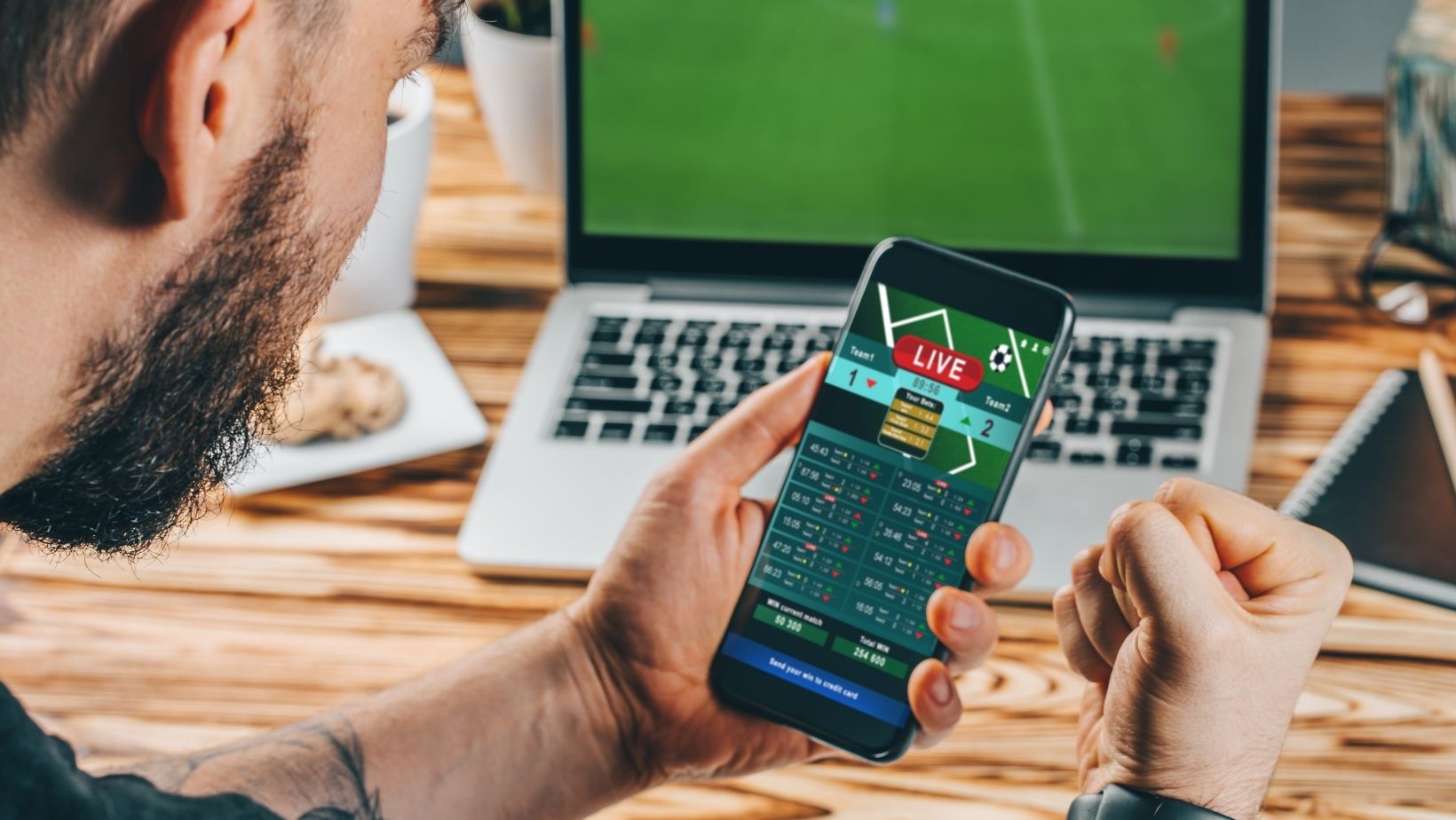
This immediacy appeals to the “Ninja Byte” generation. We are used to instant feedback and rapid-fire decision-making. Having the ability to respond to a game’s momentum as it happens adds a layer of gamification to the viewing experience. It turns a standard ninety-minute football match into a series of micro-objectives and strategic pivot points.
Security and the Digital Toolkit
Just as gamers prioritize a secure connection and a lag-free environment, the digital sports fan demands a platform that is robust and reliable. In a marketplace that moves as fast as a competitive shooter, having access to a reputable and secure environment is paramount. High-tier platforms have moved beyond simple odds-making; they now provide comprehensive toolkits designed for responsible play.
Features like reality checks, deposit limits, and time-out functions are the “save points” of the sporting world. They ensure that the experience remains an entertaining challenge rather than a loss of control. For the savvy user, these tools are part of a winning strategy—managing your “bankroll” with the same precision you’d use to manage a resource bar in a strategy game.
The Future: A Unified Zone
As we look toward the future, the integration of AR and VR will likely unite the “Gaming Zone” and the sports arena entirely. Imagine wearing a headset where live stats are overlaid on the field in real-time, allowing you to execute strategies with the push of a button.
The evolution of sports engagement is a testament to our desire for deeper connection. Whether you are holding a controller or a smartphone, the goal remains the same: to use your knowledge, your passion, and your strategic mind to stay ahead of the curve. The game is evolving, and the fans are leading the charge.