Do you remember those days when playing video games was synonymous with staying locked up in your room and staring into the computer screen? Those days have ended.
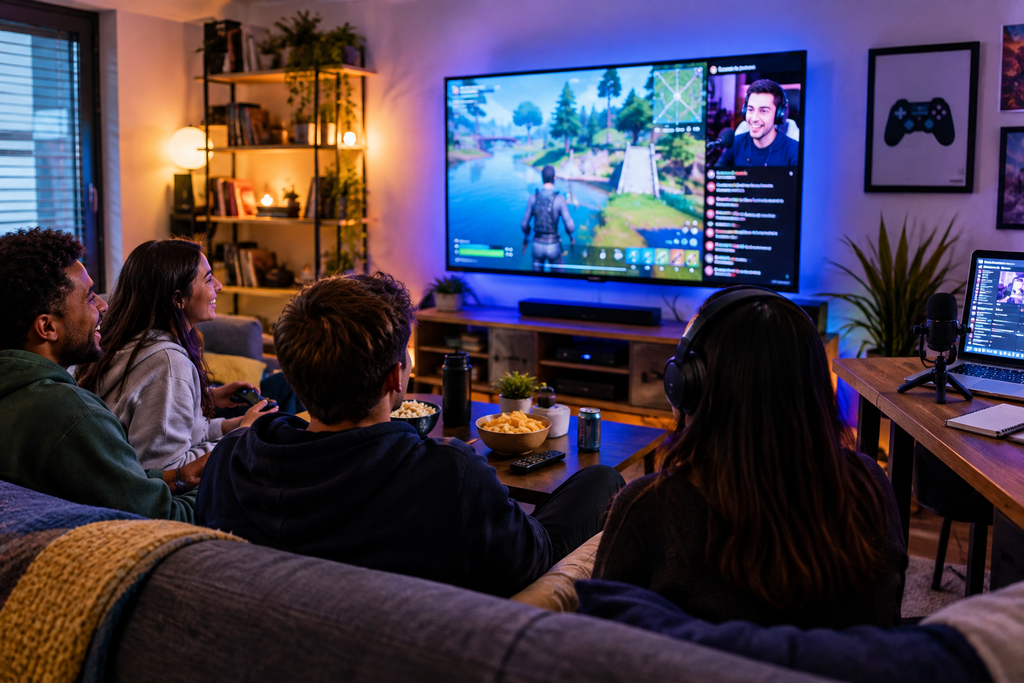
Gamers no longer focus solely on reaching certain levels, defeating certain bosses, and rising through the ranks of the leaderboard. Playing video games now is all about hanging out. From being quiet activities for oneself to becoming interactive places where people come together to chat and laugh, the change in digital entertainment is massive.
Have you spent any time on platforms like Twitch, YouTube, or Discord lately? You’ve probably noticed that the line between ‘playing a game’ and ‘hanging out with friends’ has completely blurred.
So, how did we get here? How did simple gameplay clips turn into the biggest social hubs on the internet?
Let’s break down how casual gaming transformed digital culture into an interactive social ecosystem.
The Rise of Lurk and Chat Culture
It all began with short, humorous clips. People would do something outrageous or bump into an amusing bug in a video game, record a 15-second video clip, and post it online for people to watch. It was fun, simple, and easy to watch when you had a short break at work or were waiting in a queue. But after some time, the viewers demanded more than just short clips. They wanted the entire live action.
In the present day, there are countless people who stream content not necessarily in order to learn about high-end esports strategy but just to chill out. It is a contemporary version of turning the television on and discussing things with your roommates in the living room. On Twitch, the “Just Chatting” genre is always on top in terms of being an absolute beast, amassing more than 1.35 billion hours annually.
Think about that for a second. The single most-watched category on a massive global streaming platform isn’t a complex shooter or a heavy storyline role-playing game. It’s literally just people sitting around, reacting to videos, sharing daily life updates, and talking with their audience!
Gaming through streaming has transformed from a one-directional broadcast to a two-way dialogue between viewers and participants in real time. Viewers interact, drop in funny lines in chats, give virtual presents, and affect events that are taking place on the screen. Sometimes even the game itself becomes background scenery, which initiates conversation.
Casual Games as the New Neighborhood Park
Not all individuals would like to spend long periods of time memorizing button combinations that are tough to remember or competing in rankings that are meant to be challenging after coming back home from work. What they really need is something that can help them relax without having to take tests. Casual games provide just that.
The reason why casual games have become so influential today is because of how seamlessly integrated the social aspect is within these games. From a simple puzzler on your mobile device, to a virtual board game played with friends from across the nation, to even interactive party games, all of these games help you connect with others without the added pressure of planning any strategies or shouting into headsets. You just open an app, make a move, send a quick text, and go about your day.
This easy-going atmosphere is also present in other digital entertainment forms as well. For example, people who like to have some light entertainment often visit platforms like Jackpota, which is an online social casino site in the US. On these platforms, users can enjoy various games of slots and tournaments without having to use money. These sites are designed around pure leisure, accessible play, community interaction, and, of course, all the fun of casino games without spending any real money.
Due to the fact that smartphones have been integrated into our lives and we use them non-stop, casual gaming has become a predominant way for today’s grown-ups to energize themselves. This fact is well reflected in the revenues generated by the global mobile gaming industry, which is expected to reach $176.7 billion.
From Stream Highlights to Community Hubs
After a live stream session is over and the video cuts to black, that does not mean that the discussion is over. Today’s content creators create specialized online communities that exist on platforms like Discord, where users can discuss things constantly, day and night, 24/7.
This digital environment has become an integral part of the community. At first, you may have connected to the server because you saw a video from the creator on YouTube Shorts or TikTok, but then you decided to keep hanging out there because you actually became friends through the text and voice chats. People share meme formats, post photos of their pets, recommend music, discuss local events, and set up casual game nights.
Community platforms now host hundreds of millions of active monthly users, and a huge chunk of those users spend their time in non-gaming channels. The shared interest in casual gaming opens the door, but the human connections are what keep the lights on.
This is a complete reverse of the way entertainment used to be in the olden days. Entertainment in the old days meant being passive, meaning that you just watched a movie or read a book while sitting still. But now entertainment is dynamic and social. You watch, you play, and you chat simultaneously!
Why Gamers and Non-Gamers Are Joining In
You don’t need an expensive $3,000 gaming rig, a high-end console, or years of gaming experience to be part of this cultural movement. That’s the real beauty of it. The barrier to entry has completely vanished, allowing casual entertainment spaces to welcome virtually anyone.
Here is why casual gaming hubs are attracting everyone from high school students to busy working professionals:
- Low Pressure: There are no high stakes, toxic leaderboards, or demanding time commitments. You can play or chat for five minutes while waiting for coffee, or hang out for two hours on the couch.
- Background Companionship: Streaming content allows for background noise and social interactions that help make work-from-home situations less lonely.
- Shared Culture: Inside jokes, stream memes, and shared interactive moments build a strong sense of belonging that traditional TV or movies simply cannot replicate.
- Universal Accessibility: Most casual games and chat applications can operate successfully on any ordinary smartphone or browser, ensuring that nobody is left behind because of a lack of hardware resources.
When digital spaces feel welcoming, inclusive, and relaxed rather than hyper-competitive, everyone naturally wants a seat at the table.
What This Means for the Future of Digital Fun
As online media becomes increasingly interactive, traditional entertainment brands are taking serious notes. We are seeing mainstream record labels, film studios, retail brands, and tech platforms host virtual events inside digital spaces because that is where global audiences naturally gather today.
The shift from rapid-fire stream videos to huge social networks demonstrates a truth inherent in human nature: we seek interaction. We do not just wish to consume media in our isolated silos; we want to engage, discuss, and make jokes with others about that media.
Casual gaming becomes the glue that bonds our online communities together. Whether it’s sending a move in a game to your friend, lurking in the chat room while someone is live streaming, or hanging around a community server, you are partaking in a new cultural phenomenon. This is not about what games you choose to play; this is all about who you choose to play with.