
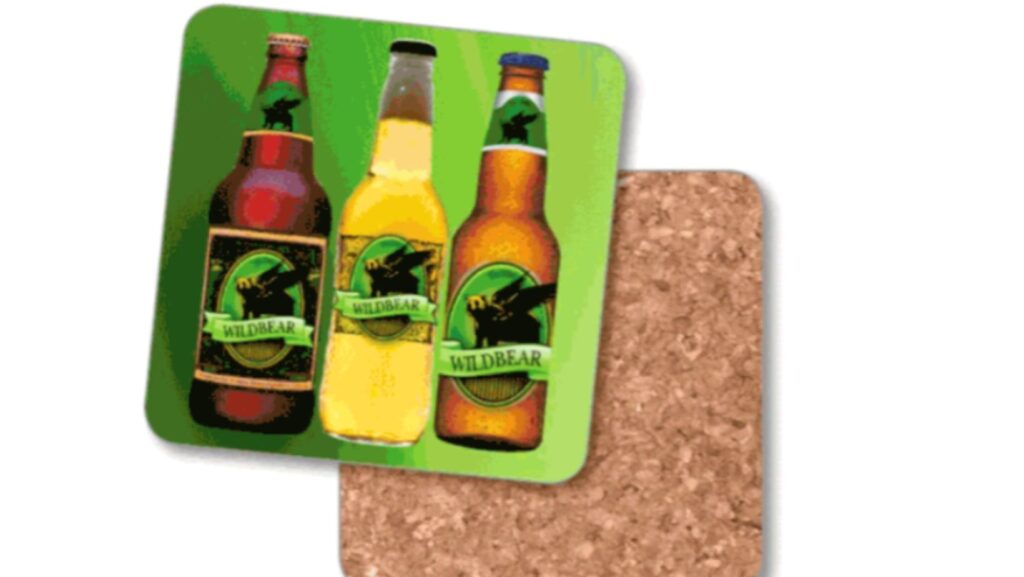
Have you ever handed someone a postcard, badge, or poster and seen the eyes light up when the picture changed in front of them? Such a response is what makes lenticular printing popular among many brands and event teams. It captures attention in a manner a flat, printed image can never do.
When the viewer tilts the piece or passes by, the image flips, moves, or appears to pop off the page. It looks like magic, but it’s smart design and clever science working together.
Once you understand how the effect works, you can see why it leaves such a strong impression.
Let’s break down why a lenticular image grabs attention so fast.
1. Layering Visuals Creates Multiple Viewing Effects

A lenticular image is not a single picture. It’s two or more images stacked and blended into a single print. Each picture is cut into very thin strips and just put together in a pattern.
When someone looks at the print head-on, their eyes only catch pieces of each image at a time. The layering allows a single flat print to hold an entire animation, a gradual zoom, or a full 3D scene. An experienced lenticular printer creates each work in this manner, which gives a single print far more depth than a standard photograph.
It means that a single item such as a postcard or a poster can have two or three messages rather than one. This hidden complexity is what makes it worth picking up and keeping.
2. Tiny Lenses Direct Different Views as You Move
The top of the layered artwork is covered with a special plastic sheet filled with small ridges. These ridges are known as lenticules, and each one of them functions like a small lens. As light hits the sheet, each tiny lens bends the light in a slightly different direction.
This means a viewer’s eyes pick up different strips of the image underneath, depending on their angle. However, their brain doesn’t perceive individual strips. It combines all that into a single smooth image, and that’s the secret of lenticular printing.
That’s also why the effect works so well on postcards, event badges, and retail displays, or on any small item held close to the eye. No special glasses or screens are needed, just the lens and the eye, whether the piece is sitting in a mailbox or on a store shelf.
3. Lens Alignment Creates Changing Visual Experiences

None of this works without precision. If the plastic lens is even slightly off from the printed strips underneath, the image will look blurry instead of sharp and clean. This step is called alignment, and it’s one of the most important parts of making a lenticular print.
Every ridge on the lens has to line up with the exact right strip below it. Get this wrong, and the flip looks messy, which can hurt a brand’s image instead of helping it. Get it right, and the switch feels instant and smooth.
This is where the printer’s skill is most needed, particularly when it’s a large order. A good lenticular printer aligns artwork and focuses lenses to a fine detail, and that’s what makes the difference between a cheap one and one that looks premium.
4. Light Shifts Reveal Different Perspectives
Light plays a bigger role in this process than most people realize. As light hits the ridged lens from different angles, it changes which part of the hidden image reaches the viewer’s eyes. Even a small shift in lighting or viewing angle can reveal a new part of the picture.
Walk past a large lenticular poster at a trade show booth, and the image seems to move along with you. Hand a customer a lenticular postcard under store lighting, and the picture might shift as they turn it.
It’s this shifting light that makes a booth display, a retail sign or a mailer, making it look alive rather than flat and easy to forget.
5. Flip, Motion, and 3D Effects Bring Static Prints to Life
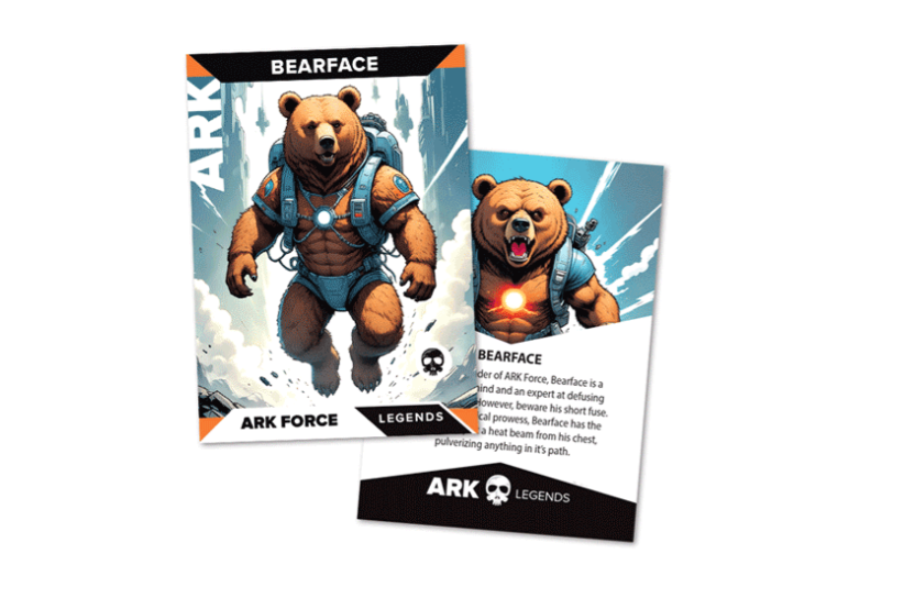
All of these pieces- the layered images, the tiny lenses, the careful alignment, and the shifting light- come together to create three main effects. A flip effect switches cleanly between two images, useful for a before-and-after message or a brand reveal. A motion effect uses several frames to create movement, like a tiny animation, great for showing a product in action. A 3D effect uses layered depth to make flat art look dimensional, ideal for packaging or a standee that needs to stand out on a shelf.
Each effect uses the same science, but the artwork is built differently to get a different result. That range is what makes lenticular printing a strong choice for postcards, posters, event badges, coasters, packaging, and trade show displays.
A plain printed image can only tell a brand’s story once. A lenticular image can tell it two, three, or as a moving sequence, and that’s why customers stop, look twice, and remember it.
Conclusion
A flat image can only show you one thing. A lenticular piece refuses that limit — it holds two, three, even a whole sequence, all in a single sheet of plastic. Tilt it, and it flips. Walk by, and it moves. That’s what makes people stop mid-stride, turn it over, and show someone else.
No screen, no app, no batteries — just light, lenses, and good craftsmanship doing the work. In a world full of images people scroll past without a second thought, that kind of surprise is hard to come by. And it’s exactly why it sticks.